


Zero-Downtime Floor Marking Solutions for Warehouses
- Albert Chilat

- Dec 30, 2025
- 3 min read
Updated: Jan 6
In the fast-paced world of warehousing, efficiency is key. One often overlooked aspect that can significantly impact productivity is floor marking. Traditional methods of marking floors can lead to downtime, disrupting operations and costing money. Fortunately, zero-downtime floor marking solutions are available that allow warehouses to maintain operations while enhancing safety and organization. This post will explore the benefits, methods, and best practices for implementing these innovative solutions.
Understanding the Importance of Floor Marking
Floor marking is essential for several reasons:
Safety: Clearly marked floors help prevent accidents by guiding workers and vehicles.
Efficiency: Properly marked areas streamline workflows, reducing time spent searching for items or navigating the warehouse.
Organization: A well-marked warehouse creates a more organized environment, making it easier to locate products and equipment.
The Challenges of Traditional Floor Marking
Traditional floor marking methods often involve painting or tape, both of which can lead to significant downtime. Here are some common challenges:
Curing Time: Paint requires time to dry, during which operations must halt.
Wear and Tear: Painted lines can fade or chip, necessitating frequent reapplication.
Installation Disruption: Applying new markings can disrupt workflow, leading to lost productivity.
What Are Zero-Downtime Floor Marking Solutions?
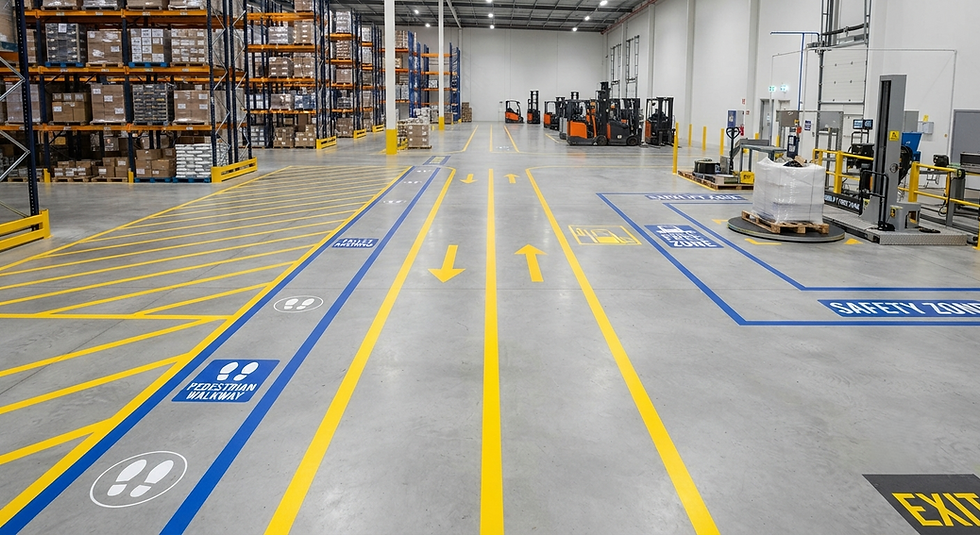
Zero-downtime floor marking solutions are designed to minimize or eliminate interruptions during the marking process. These solutions typically include:
Pre-formed Floor Marking Tape: This type of tape can be applied quickly and does not require drying time.
Vinyl Floor Marking Systems: These systems use durable materials that withstand heavy traffic and require minimal maintenance.
Temporary Marking Solutions: These can be used for special events or changes in layout without permanent alterations.
Benefits of Zero-Downtime Solutions
Implementing zero-downtime floor marking solutions offers several advantages:
Continuous Operations: Warehouses can continue functioning without interruptions, maintaining productivity.
Cost-Effective: Reducing downtime translates to lower operational costs.
Durability: Many zero-downtime solutions are designed to last longer than traditional methods, reducing the need for frequent replacements.

Choosing the Right Solution for Your Warehouse
When selecting a zero-downtime floor marking solution, consider the following factors:
1. Traffic Levels
Evaluate the volume of foot and vehicle traffic in your warehouse. High-traffic areas may require more durable solutions, such as vinyl markings or heavy-duty tape.
2. Surface Type
Different floor surfaces require different marking solutions. Ensure that the chosen method is compatible with your warehouse flooring, whether it’s concrete, tile, or another material.
3. Visibility
Choose colors and designs that enhance visibility. Bright colors and clear patterns can improve safety and efficiency.
4. Maintenance Requirements
Consider how much maintenance the solution will require. Some options may need regular upkeep, while others are designed to be low-maintenance.
Best Practices for Implementing Zero-Downtime Floor Marking
To successfully implement zero-downtime floor marking solutions, follow these best practices:
1. Plan Your Layout
Before applying any markings, create a detailed layout plan. This should include:
Designated areas for storage
Pathways for foot and vehicle traffic
Safety zones
2. Involve Your Team
Engage your warehouse team in the planning process. Their insights can help identify potential issues and improve the overall effectiveness of the marking system.
3. Test Before Full Implementation
If possible, conduct a trial run of the chosen marking solution in a small area. This allows you to assess its effectiveness and make adjustments as needed.
4. Train Your Staff
Once the markings are in place, provide training for your staff. Ensure they understand the significance of the markings and how to navigate the warehouse effectively.
5. Monitor and Adjust
After implementation, regularly monitor the effectiveness of the floor markings. Be open to making adjustments based on feedback from your team and changes in warehouse operations.
Case Studies: Successful Implementations
Case Study 1: A Large Distribution Center
A large distribution center faced challenges with traditional floor marking methods, leading to frequent downtime. They implemented a vinyl floor marking system that allowed them to mark lanes and storage areas without interrupting operations. The result was a 30% increase in efficiency and a significant reduction in accidents.
Case Study 2: A Retail Warehouse
A retail warehouse utilized pre-formed floor marking tape to quickly designate areas for seasonal inventory. This solution allowed them to adapt to changing needs without the downtime associated with paint. The warehouse reported improved organization and faster retrieval times.
Conclusion
Zero-downtime floor marking solutions are essential for modern warehouses looking to enhance safety and efficiency without sacrificing productivity. By understanding the importance of floor marking, choosing the right solutions, and following best practices, warehouses can create a safer and more organized environment. As you consider implementing these solutions, remember that the goal is to maintain continuous operations while improving overall workflow. Take the next step by evaluating your current floor marking methods and exploring zero-downtime options that fit your warehouse needs.


Comments